Public, conserved and other undeveloped lands offer unique opportunities to boost nature’s own processes and support ecosystem restoration. Using certain techniques to enhance ecological functions boost the ability of natural and restored ecosystems to reduce climate risks while providing additional benefits for wildlife, water resources, local economies, and communities.
The protection of our public lands and the conservation of open and agricultural lands is critical to securing our healthy environment. For Western Colorado, investing in nature-based solutions to improve the land and watershed health is an investment in the long-term resilience of the communities and economies that depend on them. Working within ecological processes to support systems’ own restorative capacity can have tremendous benefit — for local fish and wildlife habitat and for downstream users too.
Restoring watersheds to hold water longer
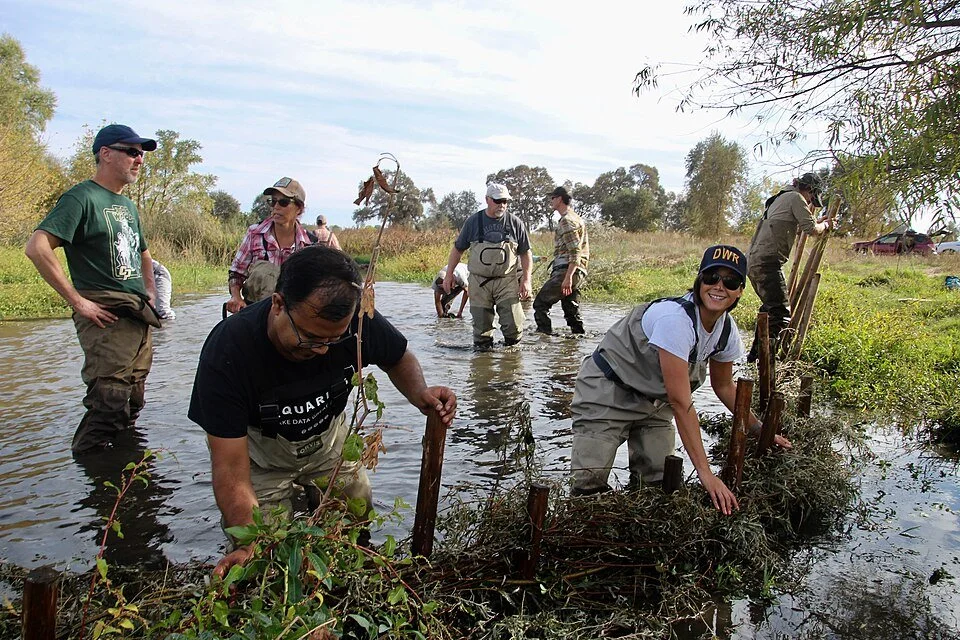
One promising example of nature-based resilience is the use of Beaver Dam Analogs (BDAs) and Post-Assisted Log Structures (PALS) to restore degraded streams and floodplains.
These relatively simple, hand-built structures use wood, rocks, and other natural materials to mimic the water-retaining functions of beaver dams. By slowing streamflow and allowing water to spread across historical floodplains, they help restore the natural processes that support healthy rivers and wetlands.
In the Upper Gunnison River Basin, public-private partnerships led by the Upper Gunnison River Water Conservancy District have installed hundreds of BDAs and PALS.
These projects help raise water tables, capture sediment, reduce erosion, and expand wet meadow habitat. Research highlighted in Rangeland Ecology & Management found that restored wet meadows can hold water weeks longer into the summer, helping sustain native species, including the Gunnison sage-grouse, and supporting livestock during drought conditions.
When it comes to climate resilience, wet meadows and healthy riparian areas can function as natural firebreaks, helping interrupt the spread of wildfire across dry landscapes.
Investing in restoration across Western Colorado
Some funding opportunities for restoration projects include:
RESTORE Colorado (Proposals due 11/12/26 for 2027 cycle).
Colorado Water Plan Grants
Proposition 137: Colorado voters just approved a proposal to dedicate additional state revenue to water, land, forest conservation, and wildfire prevention. It would direct an estimated $200 million in its first budget year toward these priorities, with the potential to provide a more dependable funding source for conservation and restoration efforts.
Turning restoration ideas into action
Projects like these require partnerships, technical expertise, and reliable funding. We can help communities, watershed groups, conservation organizations, and land managers advance restoration projects. Our services can support nature-based resilience projects through:
Stakeholder outreach and issue discovery
Strategic development and advocacy communications
Grant identification and proposal development
Workshops and trainings
If you are interested in how we can help you with your project, reach out here.
