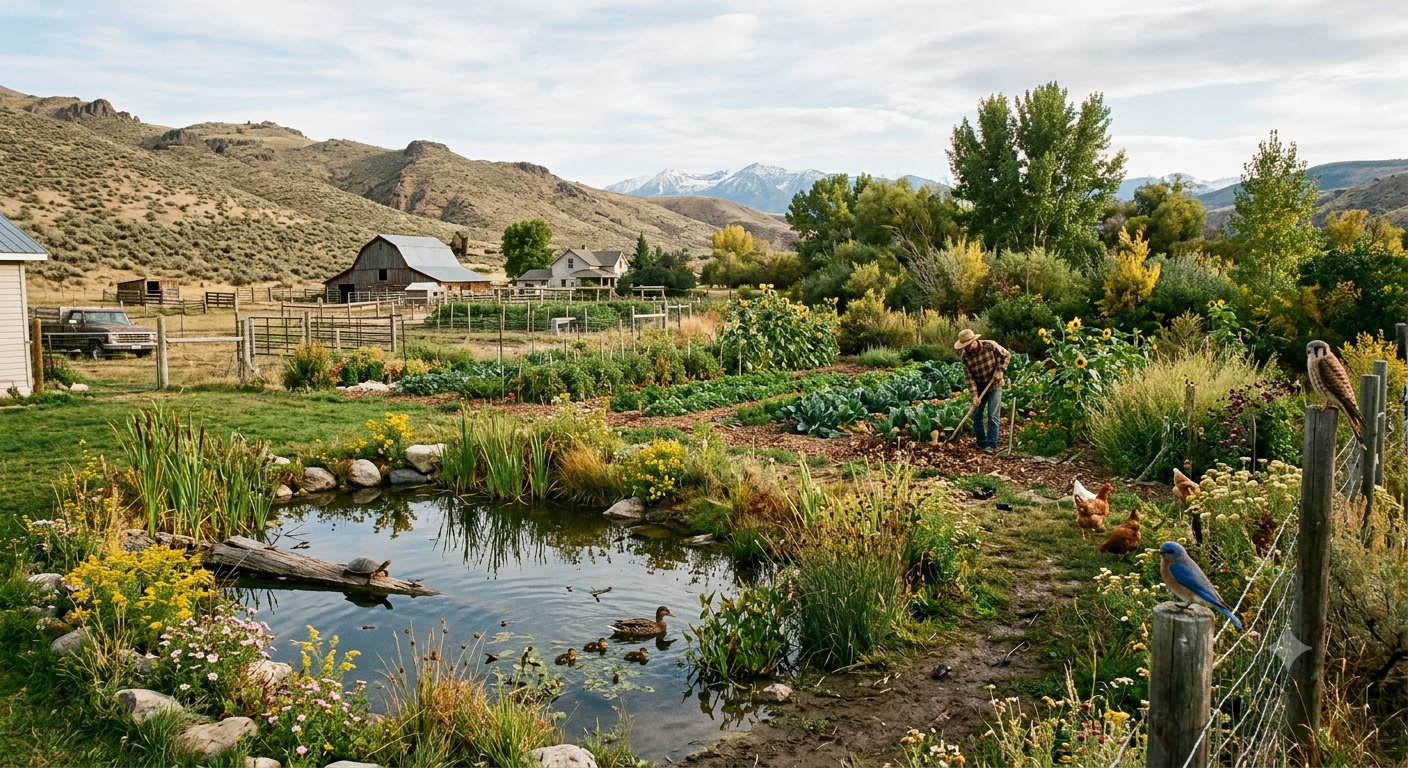
Nature's Pest Control: Building Healthy Habitats Instead of Fighting Pests
There is growing concern about the impacts of the widespread use of systemic pesticides—such as neonicotinoids ("neonics")—on the many forms of life that exist within healthy, biodiverse environments. This article investigates how we can integrate practical design principles to create healthy, food-producing ecosystems that reduce pest pressure on crops and, in turn, reduce the need for pesticides.
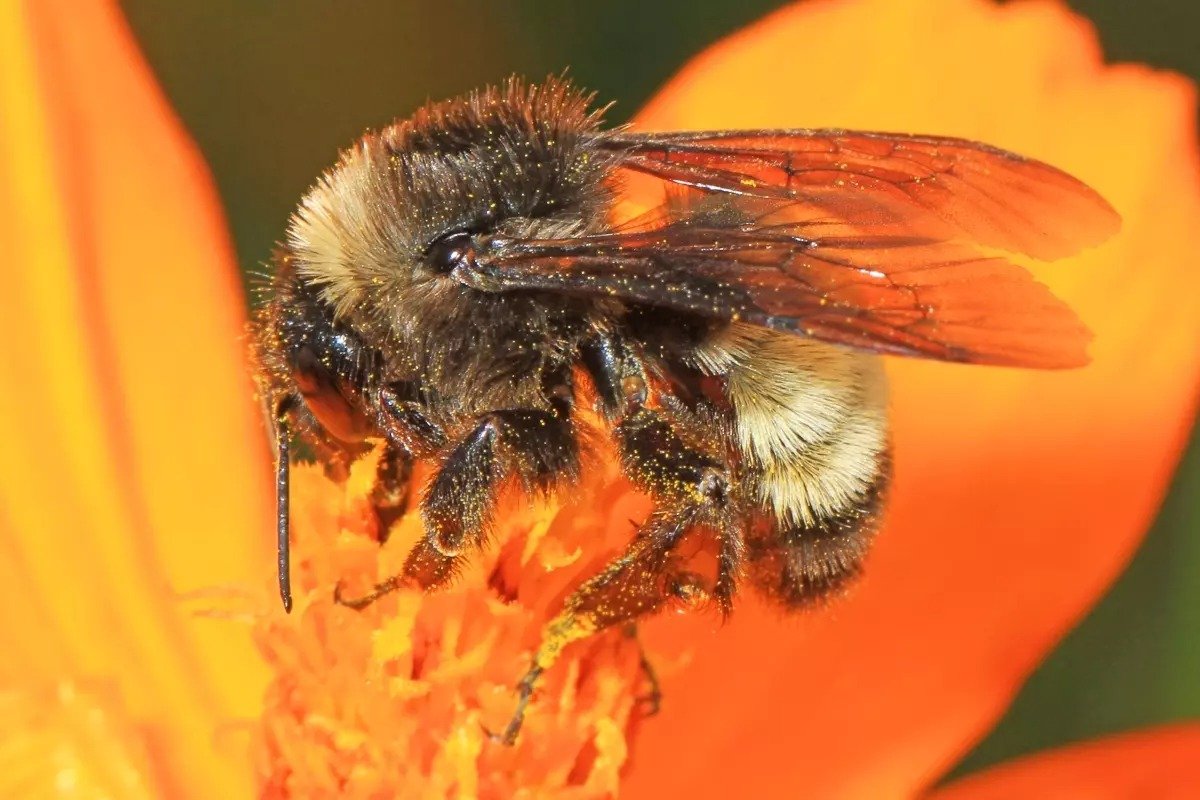
Protecting Colorado's Pollinators Starts with Our Seeds
Neonicotinoid (neonic) seed coatings are contributing to the decline of bees, butterflies, and other pollinators by contaminating plants, soil, and water, where they can impair insects' health and survival. These pollinator losses threaten Colorado's rich biodiversity. The Seed We Need Campaign is advocating for a needs-based approach to insecticide-treated seeds, reducing unnecessary neonic use while protecting both farmers' crop yields and pollinators.

A stitch in time — investing in a resilient future
Extreme weather is costing Coloradans money. And it will cost us more the longer we delay addressing it.
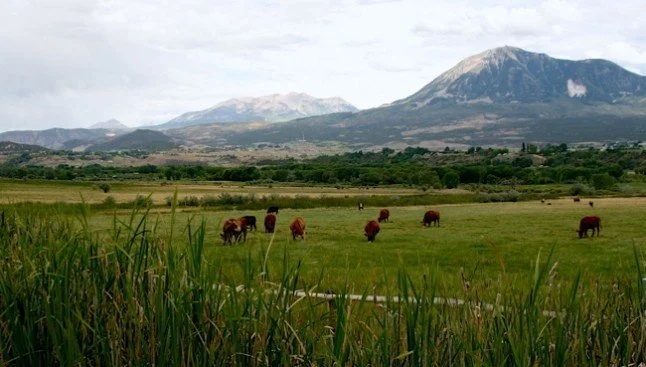
Ag Land Conservation is Climate Resilience
Land conservation is one way that we can slow the warming of the planet and reduce the extent of further harm. Conservation builds more resilient natural systems that both mitigate against worsening impacts and that adapt systems to effects that are here and coming.
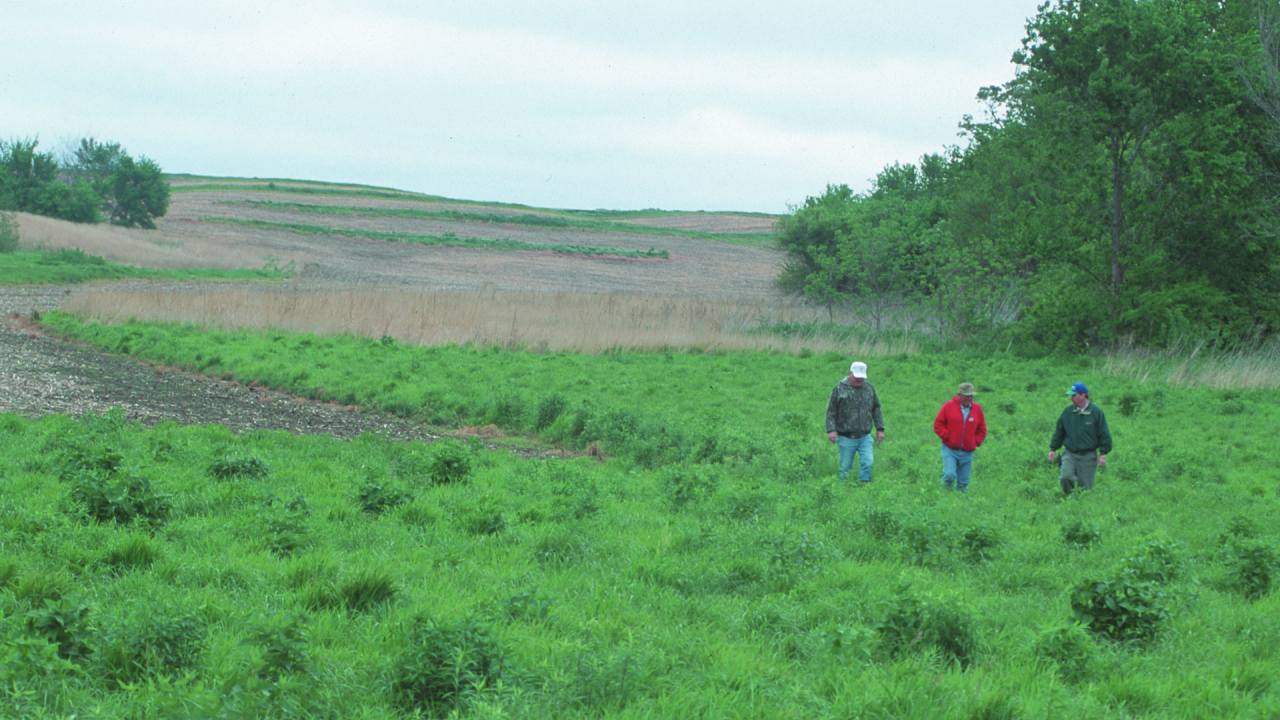
Boots on the Ground at Home: Farms Work for Conservation and Healthy Humans Too
Farmers in western Colorado are preparing to plant their fields. Most are glad to see some moisture, but no one is pretending it will be enough.