Protecting Colorado's Pollinators Starts with Our Seeds
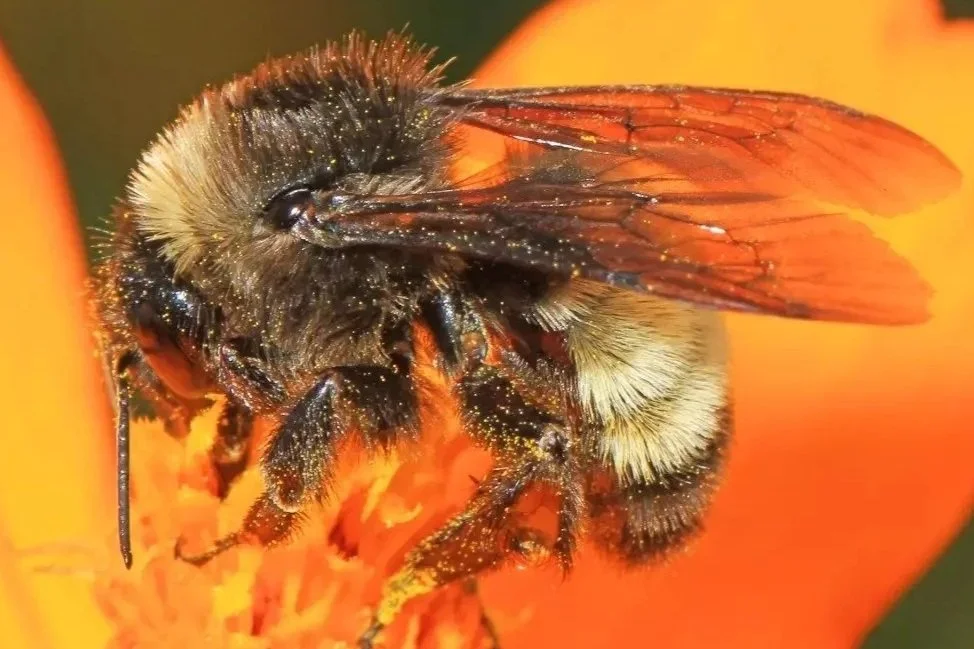
The American Bumblebee (Bombus pensylvanicus), a threatened pollinator. Photo by Judy Gallagher
Most people know that pollinators are essential for helping plants produce their fruit and seeds, but did you know that seeds can also affect pollinators?
When seeds are treated with Neonicotinoids (or “neonics”), insecticides used to target agricultural pests, many native pollinators are also exposed to the toxin, and as a result, we are seeing rapidly declining numbers of native pollinators.
What is at Stake When We Lose Pollinators
In 2024, the Colorado Department of Natural Resources completed a study on the state's pollinators. In it, they stated:
Colorado is home to just over 1,000 species of bees and nearly 300 species of butterflies, over 40% of the diversity of butterflies in North America north of Mexico. It is also home to many other species of insects that are much less well known but also play a vital role in pollinating flowers. The pollination services these essential insects provide are at the heart of a healthy environment, contributing to our agricultural production and food systems, and relied upon by flowering plants across the state. In turn, flowering plants support the state’s wildlife, add color to the beautiful landscapes that we all treasure, and provide the basis for healthy functioning ecosystems.
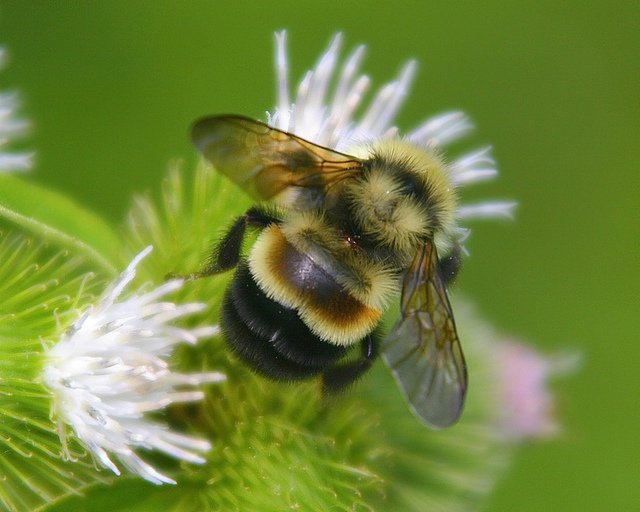
Rusty Patched Bumble Bee (Bombus affinis) Photo by Dan Mullen
The Problem with Neonics
Neonics work by permanently binding to insects’ nerves, overstimulating and destroying them. Even at nonlethal doses, neonics can weaken critical functions, such as an insect’s immune system, navigation, stamina, memory, and fertility.
Impacts from neonicotinoids are becoming widespread, with 95 percent of corn and ⅔ of all soybeans grown in the United States being treated with these insecticides. Once the plant produces nectar, pollen, leaves, stems, and fruit, all of these parts contain these insecticides.
Also, a significant amount remains in the soil for years. When this happens, rainfall or irrigation can easily transport these insecticides over long distances. This can lead to the contamination of new soil, plant life, and water supplies. The widespread use of neonics has resulted in substantial ecosystem contamination.
And this has harmed our pollinators. For example, this study found neonics are now the primary driver of monarch butterfly losses.
In Colorado, we are seeing these effects as three butterfly species are federally protected under the Endangered Species Act, and five bumblebee species are under review or have been proposed for listing. According to the Colorado Department of Natural Resources, these numbers likely underestimate the true extent of pollinator decline, as many species are poorly studied, rare, or have limited distributions, suggesting widespread threats to native pollinators across the state.Learn more about butterflies from Nick Haddad, one of the study’s authors, in this presentation he gave for the Colorado Pollinator Network. This New York Times article shows which butterfly species are declining or increasing near you.
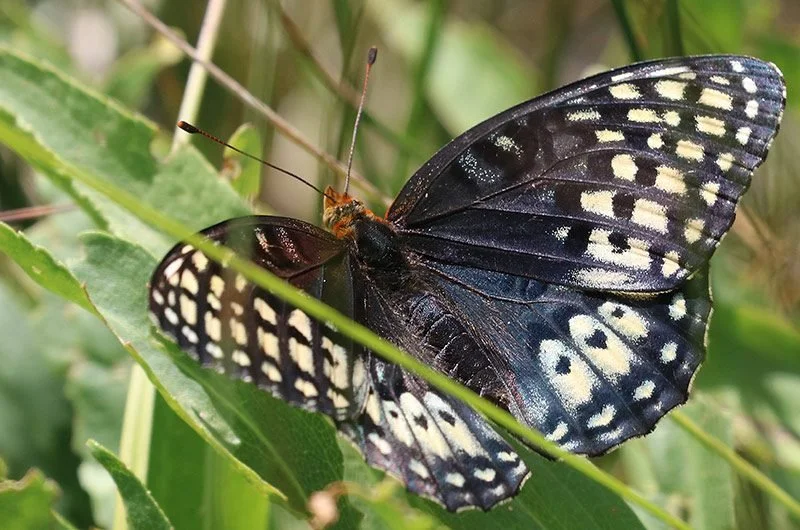
Nokomis fritillary (Argynnis nokomis nokomis), A Colorado Butterfly Species of concern. Photo by Alan Schmierer/Flickr
What We Can Do
Most corn seeds planted in Colorado have neonicotinoid coatings added automatically. But corn seed doesn’t need neonicotinoids. Other pesticides are available that can take care of the pests most damaging to it.
In Colorado the Seed We Need Campaign is advocating that the state adopt a need-based use program to end this harmful and wasteful practice while preserving flexibility for farmers. A need-based use program would apply for all systemic insecticide seed coatings - the ones designed to make the whole plant toxic to insects. That way, seeds would no longer come coated by default in harmful insecticides, but farmers could still use these tools when needed to address a specific pest problem.
Need-based use has successfully prevented neonic pollution in Quebec, where neonic corn seed treatment went from near-universal to near-zero in just five years, while maintaining or improving yields. Testing shows significant reductions in neonic contamination of water in Quebec as a result of this approach. It’s time for Colorado to step up as well.
Take action by joining the Seed We Need campaign via the website contact form.
Share this article and spread the word about neonics!
